How to Cultivate Emotional Intelligence
Emotional intelligence in business consulting
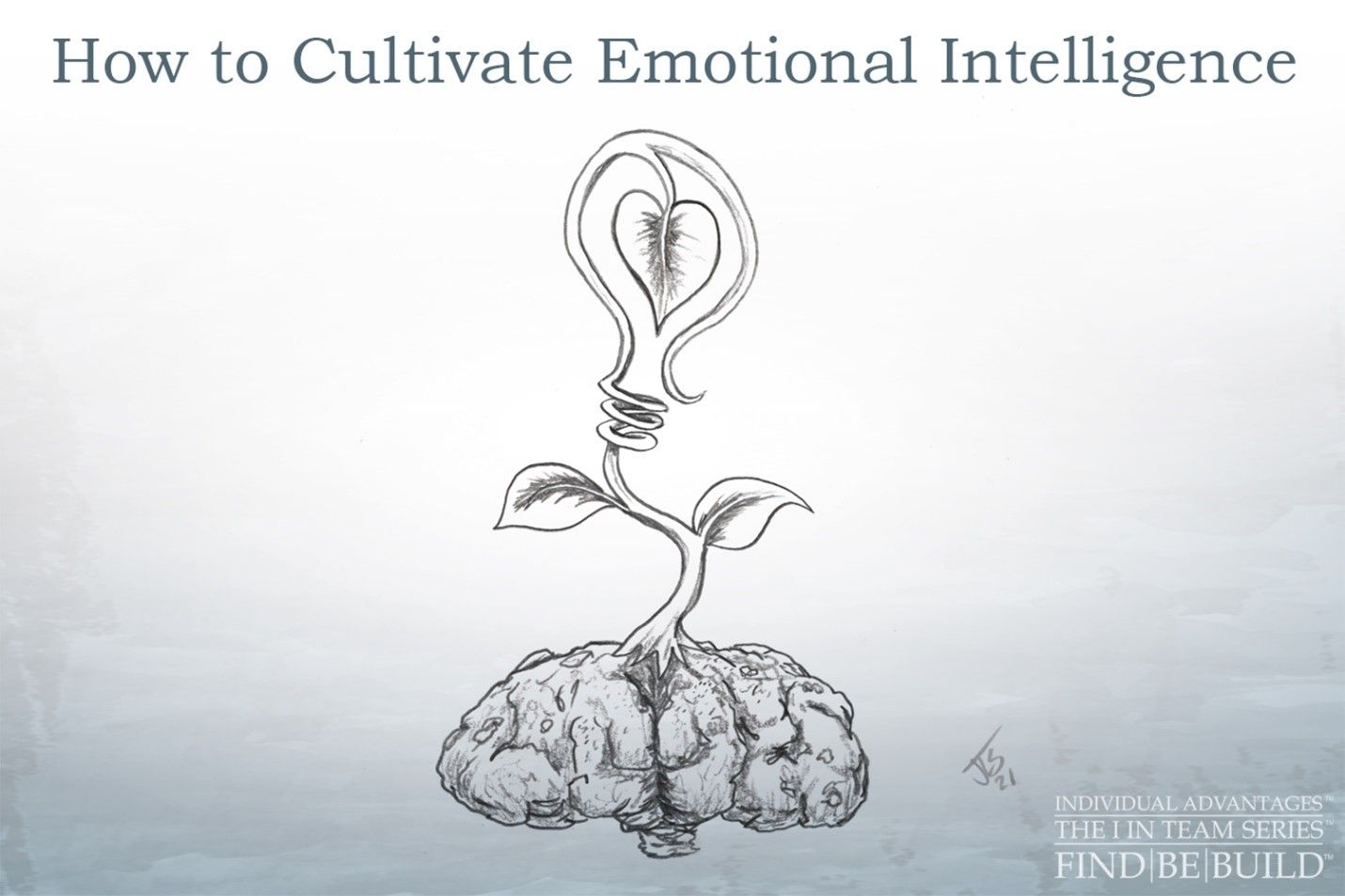
Hi, team! It’s your friend, Mary, with The I in Team series where you can find, be, and build your positive influence. One of the main topics in my weekly conversations with team members and clients is emotional intelligence. They want to learn more about it and develop habits to increase their emotional intelligence abilities. Emotional intelligence encompasses two huge aspects. The first aspect is the self; being able to accurately identify and manage emotions is a key part of emotional intelligence. The second is with others; being able to accurately identify and respond to the emotions another individual is feeling. Some researchers even believe that emotional intelligence, or EI, is more important for leaders and managers in the modern era than IQ. If you’re looking to control your influence, here are some ways to cultivate emotional intelligence.
Self-Evaluation
Before you attempt to understand and respond to others’ emotional states, you must understand your own first. One of the hardest things to do is transparently evaluate yourself with 100% honesty. Something our mind tends to do to protect us is to lie and tell us a story that fits into the reality we want, but these stories don’t serve us in our ability to be truly emotionally intelligent. Instead, challenge yourself. Ask yourself how others may perceive you and your ability to be emotionally intelligent. What might they say? Would you agree with them?
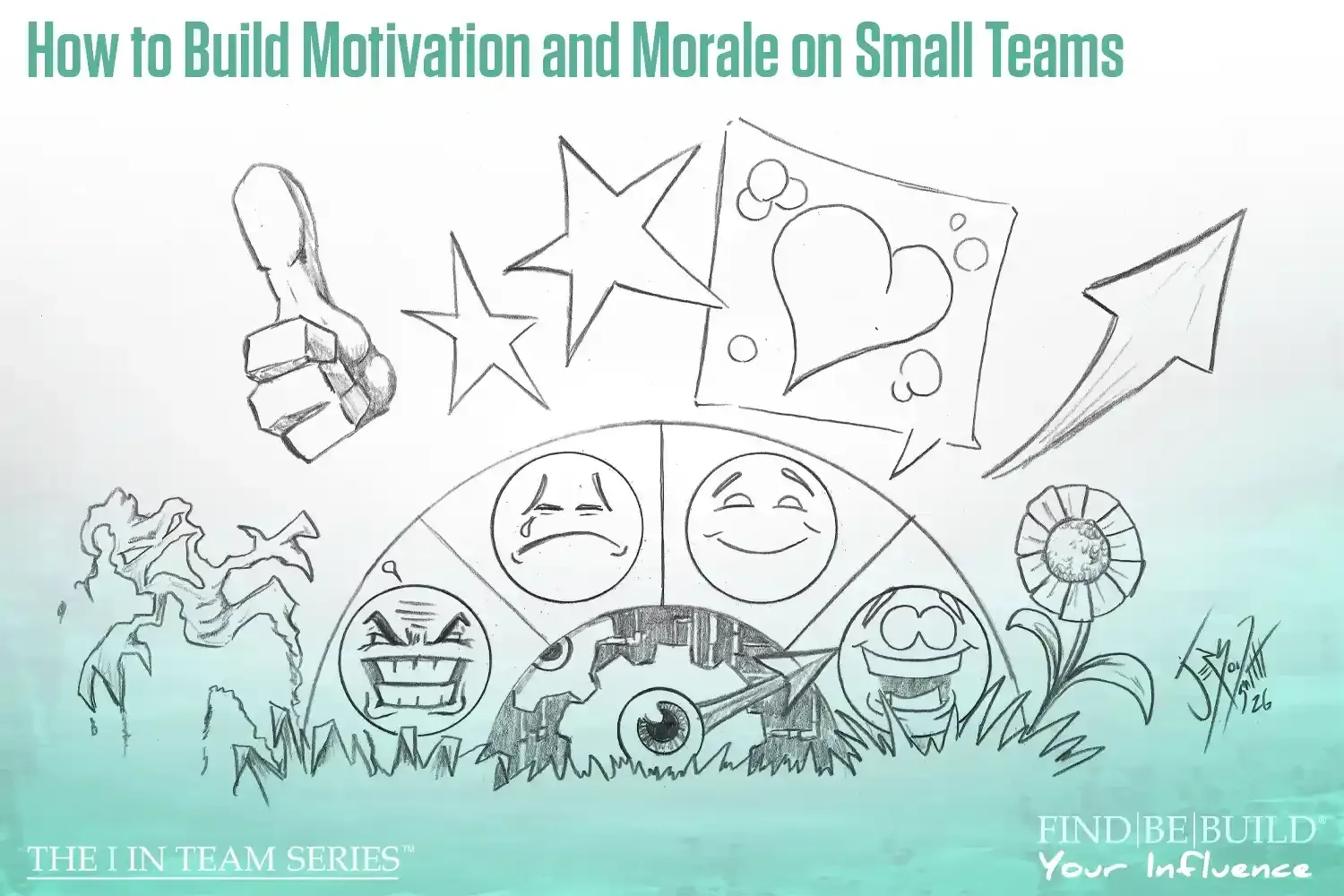
There is no need to judge yourself in this process. Judgment will only hinder your growth, not help it. Instead, evaluate yourself with compassion and try to understand where your emotions come from, what they are triggered by, how often they come up, and if you feel they are appropriate responses to your environment. If you struggle to understand what your emotions are, where they come from, and why, try starting with an emotion wheel. When you feel an emotion, try to correctly categorize it. Doing so will lessen the negative effects of negative emotions as giving a name to something often makes it more manageable. Once you know what the emotion is, consider where it comes from and in what other situations it has presented itself.
Observe and Listen
A key part to emotional intelligence is observing our mind without judgment to better understand where emotions come from, as well as observing how our words, actions, and emotions affect others. To cultivate emotional intelligence in both ourselves and with others, we must slow down, observe, and listen. Those who are emotionally intelligent know how to respond to others who are feeling emotions as well as how to handle their own emotional response to dealing with the situation. They do this by observing, correctly analyzing the emotions, and listening for opportunities to help alleviate the emotional suffering. Conversely, they know when there is nothing they can do to help and call upon their skill of empathy, which will allow them to respond to the situation without creating a barrier.
Those looking to build skills of emotional intelligence should spend twice as much time observing and listening than talking. The more information that is discovered, the easier it will be to respond accurately. The same is true for our own emotions; the more we observe and listen to the emotions we feel—correctly categorizing them—the better we can challenge or have compassion for our own state rather than immediately acting upon them. Again, the better you become at understanding yourself, the easier it will be to observe and listen to others who need you. It’s akin to the classic airplane safety tip: Always put your mask on first before helping others (or always understand your own emotions first before helping others).
Curiosity Over Judgment
Leaders and managers must choose curiosity over judgment when dealing with themselves and their team. Curiosity allows us to explore, ask questions, gain a better understanding, and meet ourselves or the other person where they are in the process. If we immediately chose judgment, we create a barrier between us and what we want to understand. Judgment will always hinder your ability to be emotionally intelligent. In my experience, judgment tends to come from a place where we don’t feel good about ourselves, so we project that onto others (or ourselves) as a means to alleviate our stress without self-reflecting on what is truly wrong.
Conversely, choosing curiosity is a form of emotional intelligence in that we accept that not everyone is perfect, and we continue to want to respond in a way that is helpful. When we have curiosity for ourselves and others, it becomes easier to explore the complexities of emotions as we train ourselves to want to explore them. If you are used to judging yourself and others, you will need to challenge yourself to grow the habit of being curious and asking questions. In doing so, you may find that your own stress is alleviated as this tends to help soften the judgment of ourselves.
Self-Awareness
Perhaps the largest component of cultivating emotional intelligence is self-awareness, but self-awareness doesn’t come out of nowhere. It takes patience, observation, and curiosity to develop awareness of oneself. You must become aware of your emotions, how they feel in your body when they arise, how you respond to them, and how you project them into the world. But your self-awareness doesn’t end with your emotions.
To be truly emotionally intelligent, you must be wholly self-aware. You must understand your strengths and weaknesses, your preferred communication style, how big your tank of willpower is, what leads you to burnout, and so much more. Self-awareness is born out of transparent self-evaluation. The more truthful you are, the more self-aware you will become.
If you wish to cultivate emotional intelligence because it is something that doesn’t come naturally to you, the key will be to have compassion for yourself. This is not an easy process, but it is worth it. Only you have the power to control your mind and change the way you see and respond to the world. In doing so, you will not be perfect. The most emotionally intelligent individuals understand that imperfection is part of the human condition, and it is having compassion for yourself and others that allows us to enter a world of true emotional intelligence. Controlling the mind is a journey and one that must be forgiving. Always choose curiosity over judgment and continue showing yourself compassion as you grow.