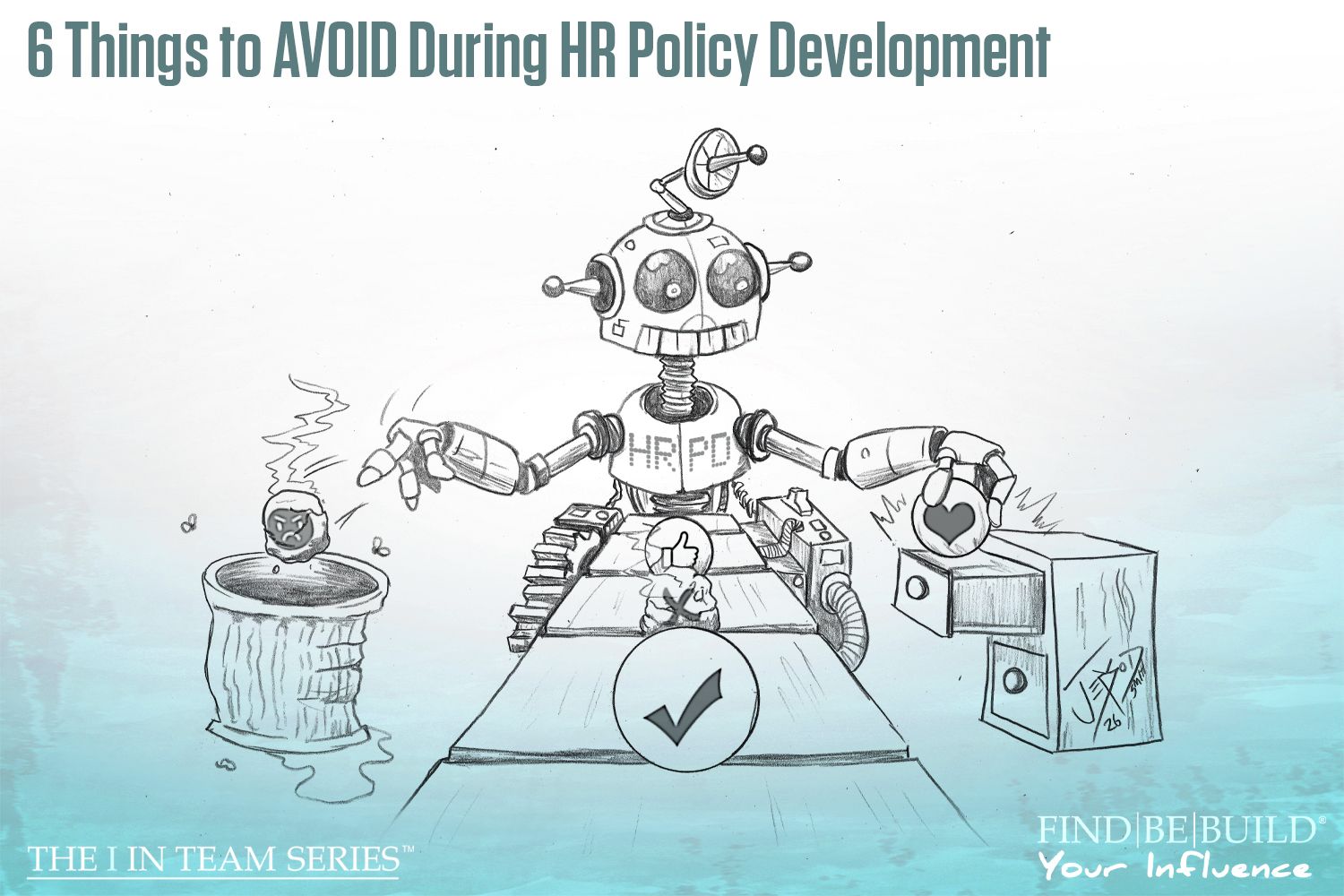
6 Things to AVOID During HR Policy Development
Hello team! It’s Mary here, back to share more positive influence with you. If you’re new here, we focus on exploring how you can Find, Be, and Build your positive influence. Proper HR policy development is crucial for any team, and the most common risk is obvious: Breaking the law. Policies must always be legally compliant with and consistent with current laws. Since breaking the law is so obvious and there is ample advice on the internet about how not to do it, today, we need to talk about some bigger issues lurking in the shadows:
1) Policies that damage culture and/or trust and
2) Policies that managers apply unevenly.
HR Policy Development
If you want to level up your team, here are the 6 things you must avoid during HR policy development:
AVOID: Copying Another Handbook
This is a very common mistake, especially for new business owners or smaller teams. While it may seem easy to take another company’s handbook and adopt it as your own, it can actually become detrimental to culture development and growth. Policies need to reflect your state laws, company size, industry, operations, and culture. Additionally, using generic templates without legal review can create massive compliance gaps.
If you’re struggling to develop a handbook, contact
IA Business Advisors. We have helped over 19,000 companies with their HR policy development.
AVOID: Vague or Inconsistent Language
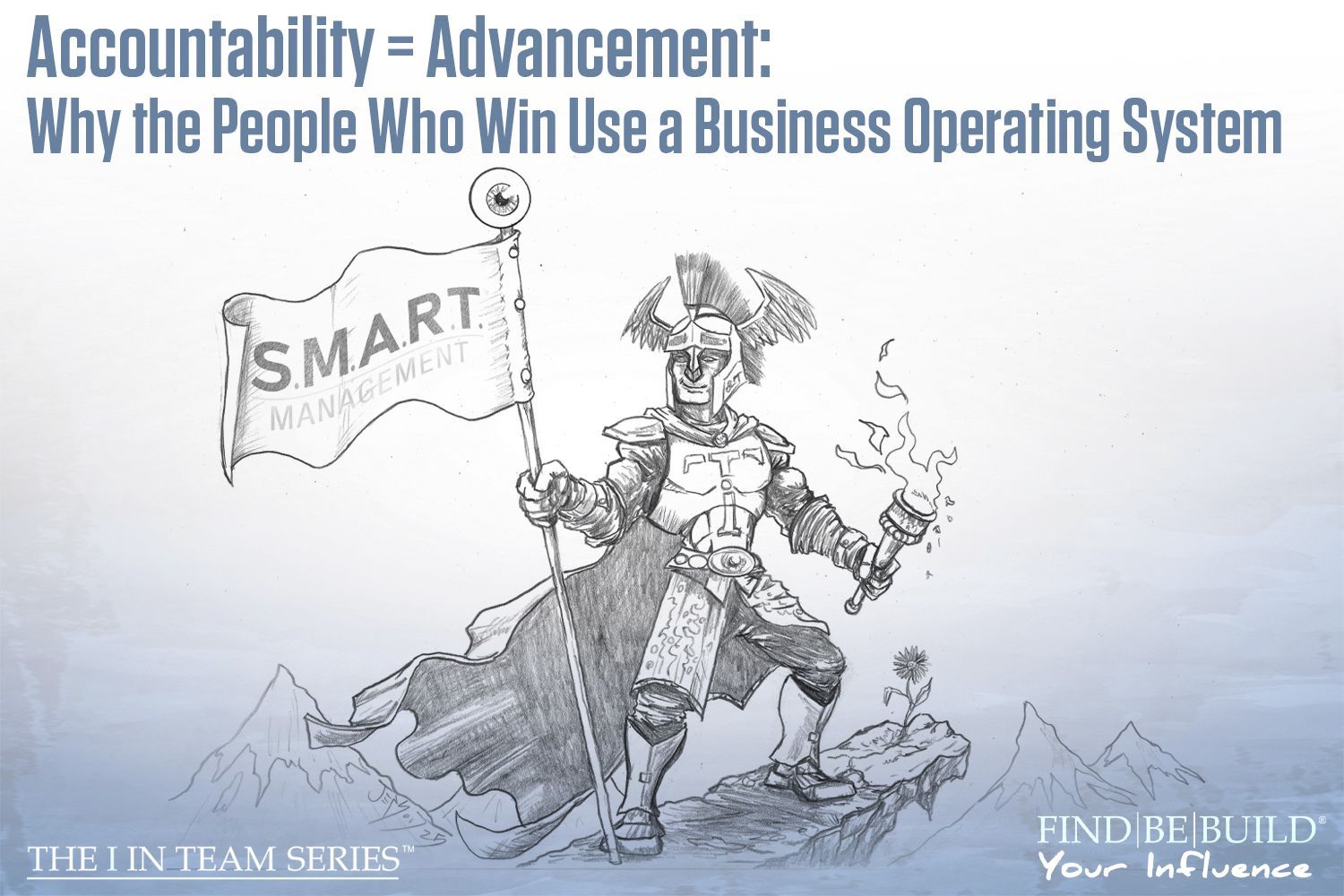
Clear communication is the bedrock of high-performing teams. You must develop S.M.A.R.T. policies by being clear, practical, and ensuring they are enforceable.
Poor Example: Excessive absenteeism may result in discipline.
To make this policy S.M.A.R.T., it needs to define the attendance expectations, define progressive discipline steps, outline reporting procedures, and state a timeline.
AVOID: Unenforceable Policies
What is defined as “unenforceable” will only be determined by you and your team. At a high level, unenforceable policies are those that will likely be ignored in practice.
Poor Example: Personal devices are banned on the selling floor.
This policy doesn’t take into account that employees often use their phones to show customers more data on the item they are hoping to purchase.
Poor Example: Meal breaks are to start at 12:00 pm and end at 1:00 pm.
Oh no! Who is going to stay in the office to answer phones and greet guests as they enter? Someone needs to have a meal break outside this time so they can keep things moving while everyone is away.
Unenforceable policies can break the law or just be silly oversights. The problem with them is that when they are broken, it creates a culture of breaking policies and erodes trust in enforceable/necessary policies.
AVOID: Unnecessary Punishment
Overly punitive policies can diminish initiative, discourage communication, increase turnover, and create fear in management/leadership. Instead, review these policies to see if they are inflexible, harsh, or excessive. Any policies that treat all employees as “bad seeds” need to be adjusted. Remember, good policies help build trust.
AVOID: Silent Discrimination
Even seemingly neutral policies can become a legal issue if they are not closely considered. Discrimination can happen through rigid scheduling policies (affecting caregivers), appearance policies (affecting protected groups), English-only rules, physical requirements unrelated to job duties, and attendance policies (affecting persons with disabilities or those on protected leave). The best thing you can do to avoid discriminatory policies is to have your policies reviewed for legal risk, equity, accessibility, and operational fairness. IA Business Advisors can do all of these things.
AVOID: Poor Protections
Employees must have safe reporting channels to discuss issues. Policies should clearly state how complaints are reported, who receives complaints, investigation procedures, confidentiality expectations, and retaliation prohibitions. Keep in mind: Retaliation claims are often more dangerous legally than the original complaint.
HR Policy Development: Final Notes
The last and possibly most helpful note I will leave you with today: Review policies regularly! Policies should be reviewed annually (at a minimum), but they also need to be reviewed after major legal changes, after operational changes, and after incidents expose policy gaps. To protect yourself, your team, and your organization, do not wait to make any necessary changes. If you need help or want a second set of experienced eyes on your handbook, contact IA Business Advisors today.