Mitigating Internal Resistance During Organizational Change
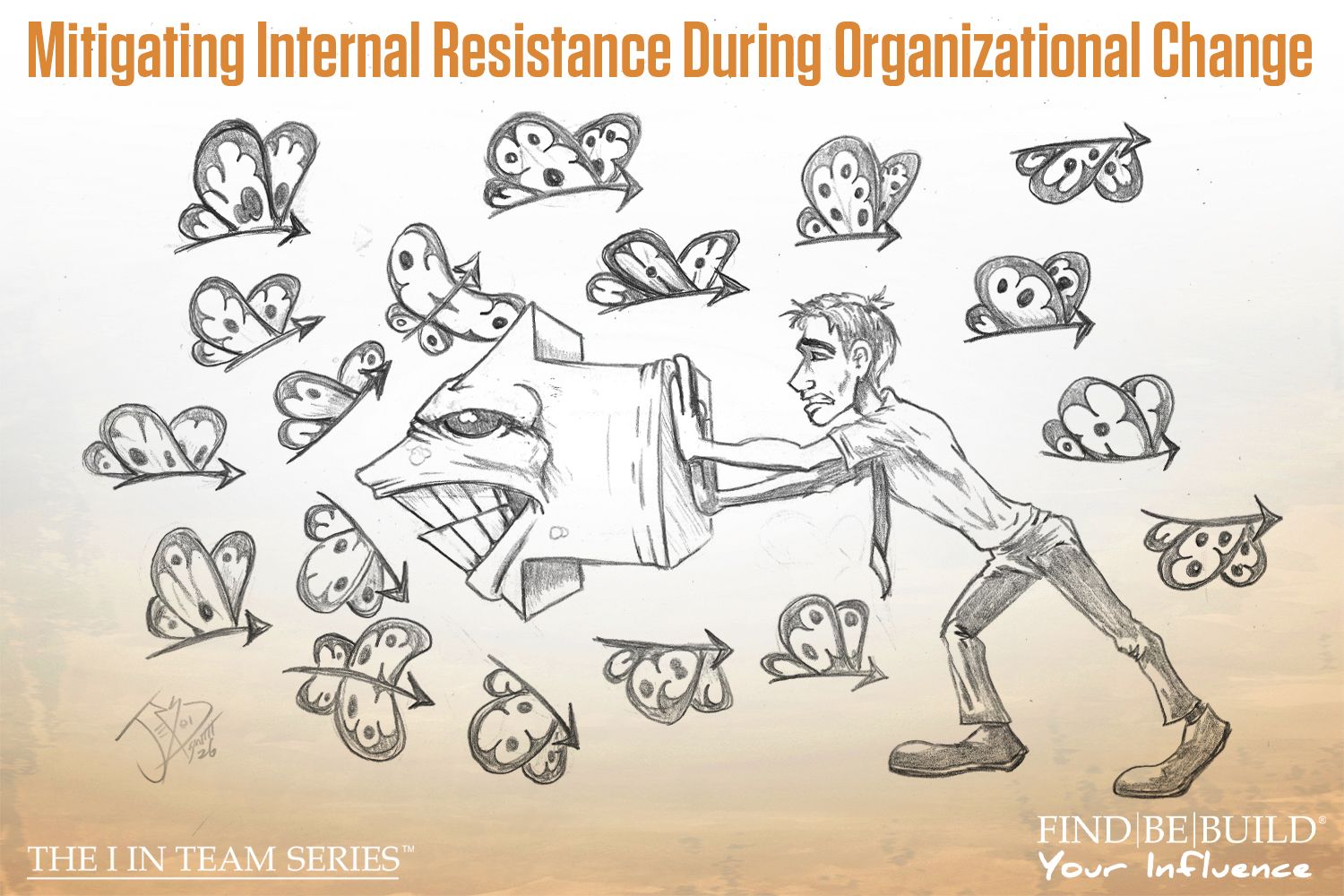
Happy April to all! It’s me, Mary, and I’m back to share more positive influence with you. Every month, we explore how you can Find, Be, and Build your positive influence. We help lots of companies with change management, from succession planning to implementing new policies and procedures, we have done it all. We know that internal resistance, when not managed appropriately, is the number one reason why organizational change fails. However, people rarely resist the change itself. So, why does internal resistance occur?
Why Internal Resistance Occurs
While there are many reasons as to why internal resistance can occur during organizational change, most researchers agree that the following are the most prominent:
- Fear of the Unknown
- Perceived or Real Loss of Control
- Lack of Trust in Leadership
- Fear of Incompetence
- Comfort with the Status Quo
Reducing internal resistance to change will take communication, presence, compassion, accountability, and teamwork. It is possible to mitigate these issues promptly when following the tips below.
Communicate Frequently and Transparently
Communication is always the number one way to resolve issues. A lack of communication about change can allow rumors to fill in the gaps. This increases fear and can dismantle trust in leadership. The most effective ways to communicate during change is to:
- Provide regular (weekly or bimonthly) updates from leadership
- Foster open discussions to allow for questions
- Set clear timelines and expectations for team members.
Frequent and transparent communication builds trust, especially when that communication is upheld with integrity and accountability. Choose to communicate “why” the change is vital to the organization; describe what the future will look like and how it benefits everyone, explain what might happen if the organization decides to remain stagnant, and communicate this “why” at every weekly or bimonthly meeting to ensure it remains top of mind.
Model the Change
Leaders who talk the talk but don’t walk the walk erode trust very quickly and diminish their efforts to reduce internal resistance to organizational change. Employees are always looking to their leaders to model behavior and set the tone for the culture, so if leaders are still using old systems and processes, showing skepticism, or completely ignoring the new system, employees will not plunge into the depths of change happily or willingly. This is how resistance becomes embedded. Leaders must always demonstrate their commitment to change through their actions, not just their words.
Help Your Team Take Ownership
People are less resistant to change when they have the opportunity to shape it. Gather their input, allow them to design new processes that affect their work, and provide them with any training and resources they may need to feel well equipped to deal with the change. They might have a mentor or change buddy that helps them feel more secure, or they could have the opportunity for bonuses if they decide to be a change champion.
A “change champion” is someone on the team who is not part of leadership but who is all in on the change and helps influence their peers in a positive way to adopt the change. These team members are typically respected and liked by peers, so they have already garnered trust.
Address Emotional Concerns
Addressing only logical concerns is a mistake because it ignores a huge part of what it means to be human: Emotion. Change is usually emotional for people, even if they are feeling positive about it. Those who have negative feelings toward change may fear job loss, loss of status, and increased workloads. Leadership must acknowledge these emotions openly at the weekly or bimonthly updates. Be patient when listening, listen to learn not correct or defend, keep an open-door policy, and provide reassurance where possible (but do not lie).
Bottom Line
Organizational changes rarely happen overnight. Successful leaders reinforce their message repeatedly, model adoption, provide compassion and understanding, address resistance openly and honestly, and adjust their strategies when necessary. Change is never easy, but mitigating internal resistance can be done swiftly and positively. If you need support to help you manage organizational change, IA Business Advisors has been assisting clients for 30 years and would love to help your team deal with and prepare for this next journey.