Positive and Ethical Leadership Qualities
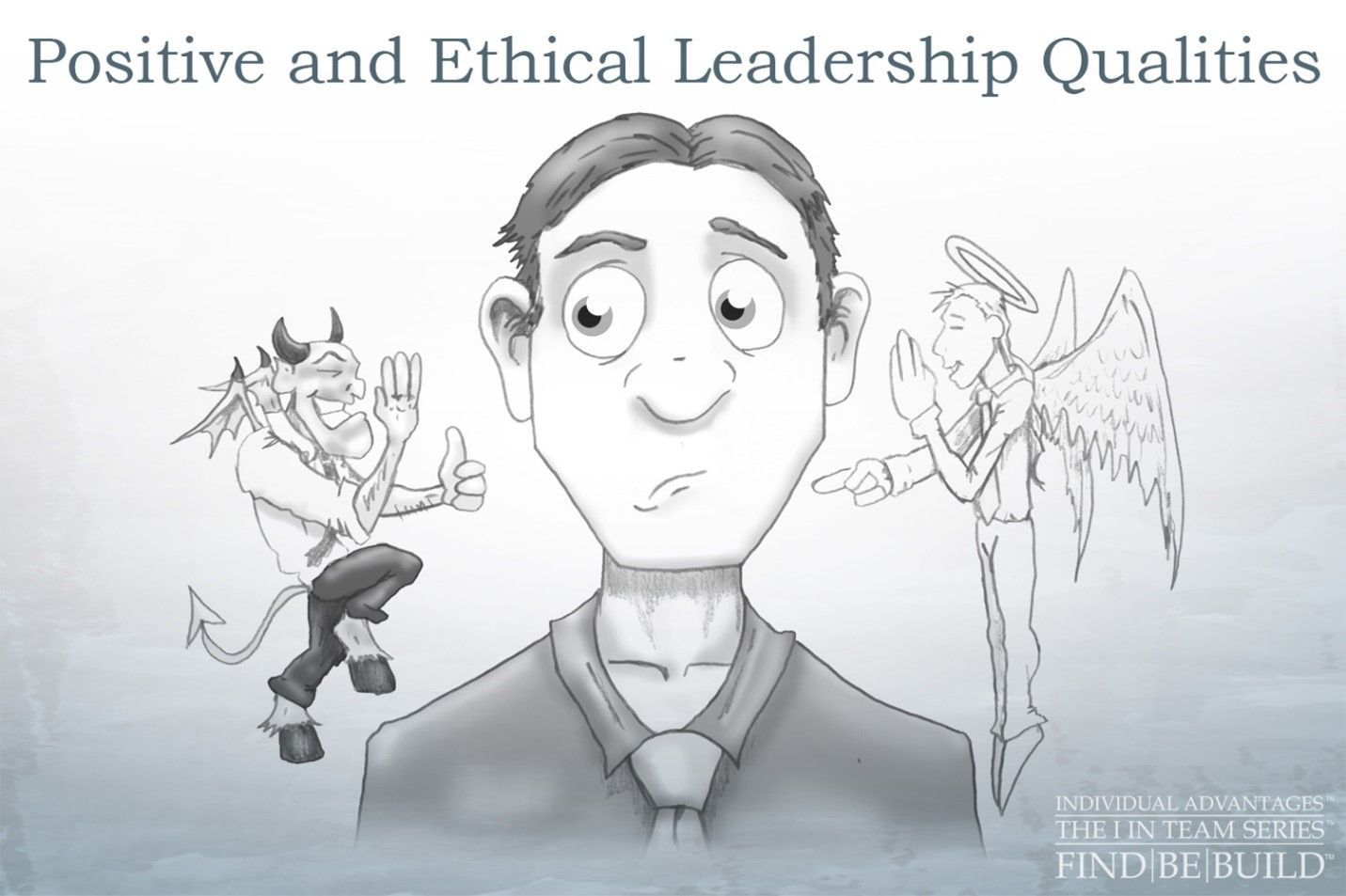
Ethical leadership in business consulting
Hi, team! It’s your friend, Mary, with The I in Team series where you can find, be, and build your positive influence. Everything we teach here at The I in Team series helps current and aspiring leaders understand what it means to possess positive and ethical leadership qualities. Being an ethical leader has an immense influence on your team; it can be the difference between building a high performing team and going out of business.
Presence
Being present and available is one of the key qualities of ethical leadership. This means your physical presence is necessary. Absent leaders (leaders who do not show up to work, are late for work, or who do not engage with their employees) are considered unethical leaders. The foundation of leadership is being present to lead your team. For those who are leading a remote team, being active and checking on your team frequently will show your presence. If you’re leading a remote team, try to communicate with them often as you would in a traditional office.
Communication
Communication is often the hardest aspect of leadership, but it is vital to building a high performing team that rallies with you to meet organizational objectives. How you communicate your thoughts and emotions will determine the communication culture of your entire organization. This doesn’t mean you have to be perfect, but it does mean that you need to work to communicate effectively with yourself and others. Ethical leaders are not ones who are perfect; they are ones who know they can grow, learn, and adapt.
Growth Mindset
Having a growth mindset means that you believe you and others are capable of growth, as opposed to a fixed mindset where you would believe that you and others are stagnant and unadapting. When you adopt a growth mindset, you believe in and empower yourself and your team members. This makes an ethical leader because they know their team possesses the skills necessary to complete organizational objectives, as well as one who understands that failure is inevitable. Coming to terms with the fact that failure will happen is imperative to being an ethical leader because you and your team will fail but it’s how you move on from those failures that defines your organizational culture. Having a growth mindset combined with a heavy dose of objectivity will allow you to remain ethical when helping your team recover and learn from failure.
Objectivity
Objectivity is required to be an ethical leader, especially when you are dealing with multiple people who have diverse lives. If you are not naturally objective, it will take some practice and patience with yourself as you learn this new skill, but it is imperative to gain the ability to be objective so that you can make equitable decisions. Being objective means overcoming bias and bigotry; it means slowing down, remaining present, and growing your ability to be emotionally intelligent so that you can respond to situations appropriately. Leaders who are objective are ethical because they create a culture of accountability and compassion.
Compassion
Compassion is a necessary trait in life; it is the understanding that everyone deals with difficult situations combined with the wish to alleviate the negative consequences of those situations. While we can’t help everyone, we can have compassion for them. Having compassion for yourself and your team allows you to communicate with them effectively and objectively, knowing that they are a human being with wants, desires, and motivations just like you. Compassion builds an ethical leader because it allows you to treat your team with respect. In combination with all the ethical leadership qualities listed here, any compassionate leader can compel their team to reach even seemingly impossible goals.
While this list is certainly not exhaustive of what it takes to be a positive and ethical leader, they are some of our top five ethical leadership qualities. In contrast, unethical leaders are ones who are absent, dishonest, corrupt, unfair, manipulative, and more. Unethical leaders can deteriorate teams and cause high employee turnover, low engagement, low creativity, and more. The negative effects of unethical leadership can severely impact an organization’s ability to grow and be successful. If you wish to create a company that thrives, you must be an ethical leader.