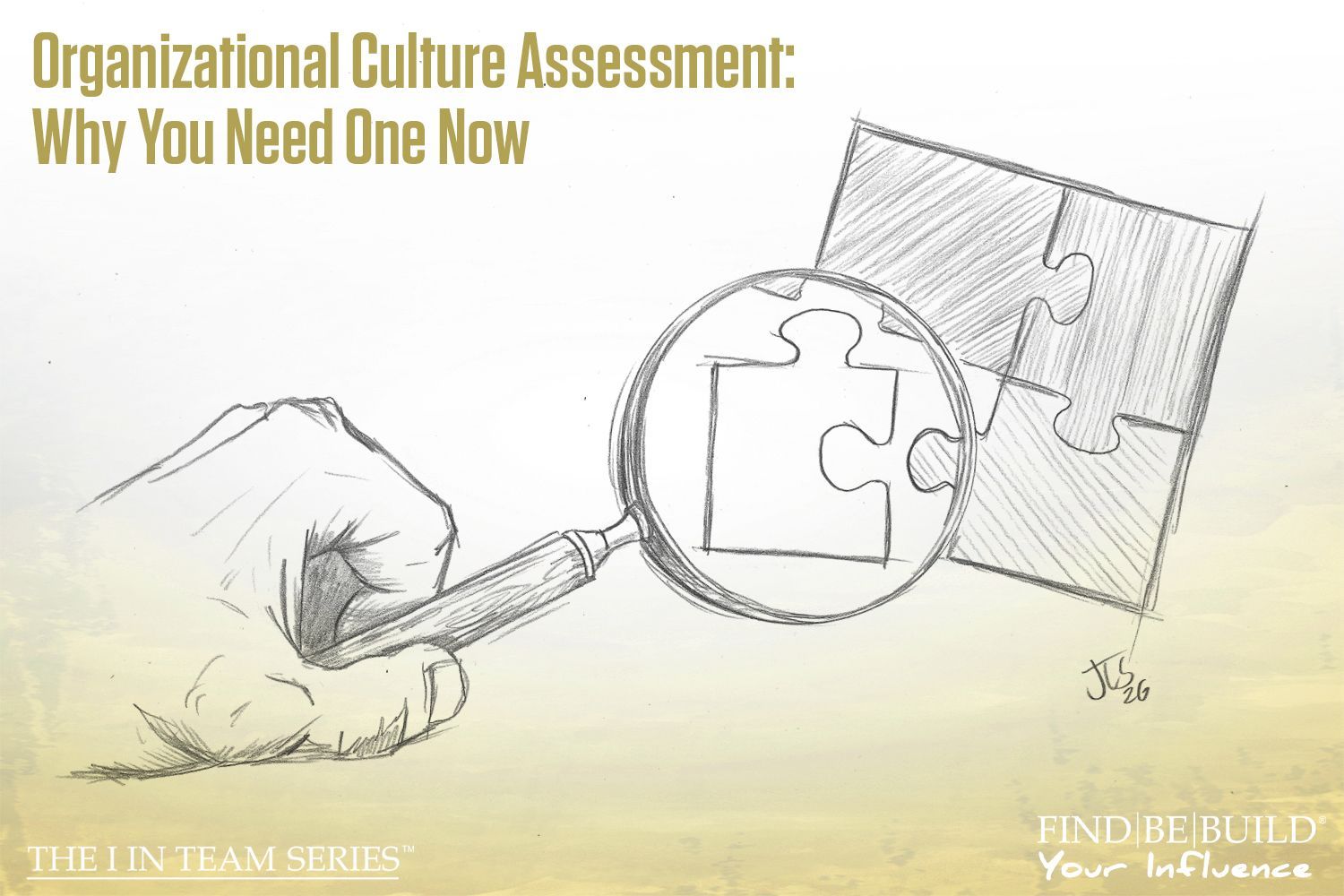
Organizational Culture Assessment: Why You Need One Now
Mary Griffin • October 1, 2026

Hi there, team! It’s me, Mary, and this month I’ve been pondering what causes cultural misalignment, how it can be remedied, and why an organization might want to get an organizational culture assessment sooner rather than later. (Writing this blog turned out a bit different than my normal style, but hopefully you will find it just as helpful as the previous ones.)

What It Is

An organizational culture assessment helps teams evaluate their shared behaviors, attitudes, values, beliefs, and practices. It’s a process that helps teams understand how they work with one another. Leaders learn how the workplace is experienced/perceived, if organizational values are reflected in everyday action, and whether the current culture supports the organization’s mission, goals, and success.


Rather than focusing solely on what an organization or its leaders say about its culture, an organizational culture assessment reveals how the culture manifests in reality. At a high level, an organizational culture assessment evaluates:

· Core Values

· Leadership Behaviors

· Communication

· Employee Engagement

· Workplace Relationships

· Decision-Making

· Organizational Norms

· Adaptability


Did you know that all of these things contribute to the bottom line? Therefore, an organizational culture assessment can help you scale.

How to Get One

Utilizing our proprietary S.M.A.R.T. BizVision™ process, IA Business Advisors performs a deep organizational culture assessment to assess and understand your team’s unique needs. Our proven model has helped shape, sustain, and scale companies since 1996. We would be honored to develop a custom strategy tailored to meet your organization’s goals.


Why You Need an Organizational Culture Assessment Now

Cultural inconsistencies between what an organization states its culture is and how the culture is truly experienced/perceived create gaps that impact the bottom line. Alignment creates consistency which develops and supports the organization’s perceived public image. This consistency also creates trust. With a positive public image and established trust, organizations thrive and scale.


People are the driving force behind an organization which is why these cultural inconsistencies turn from gaps into canyons. Without a team or individual, an organization does not exist. Through an aligned culture, people establish trust in their team and leaders. This trust boosts morale and produces a high-performing team. People create and uphold policies and procedures; they motivate and inspire their peers; they perform and learn from mistakes.


However, the converse is true. An organization that lacks cultural alignment suffers from high turnover (both employees and customers), trust issues, inconsistent or nonexistent accountability, increased resistance to change, and poor productivity and collaboration. Recovery from a poor or toxic culture often takes longer than addressing the issues now. Plus, the organization’s reputation is likely to suffer. All these actions and inactions influence revenue.

Bottom Line

If you keep wondering why your business won’t grow, is losing customers/employees, keeps hemorrhaging money, or any other issue that makes you feel like you’re pushing a rock up a hill, you likely need an organizational culture assessment. Yes, business can be challenging. Yes, there are ups and downs. However, running into the same problems consistently hinders growth. IA Business Advisors can figure out what those problems are, design a strategy for them, and improve your organization. Contact us today.

A Word of Caution

An organizational culture assessment is best performed by a third-party because it removes bias. IA Business Advisors is ready to assist you.


This assessment is not an employee satisfaction survey. While employee satisfaction is one aspect of the culture, it is so much more. We will use our S.M.A.R.T. BizVision™ approach to treat your organization wholly and with care. 
Learn More
By Mary Griffin • November 12, 2026
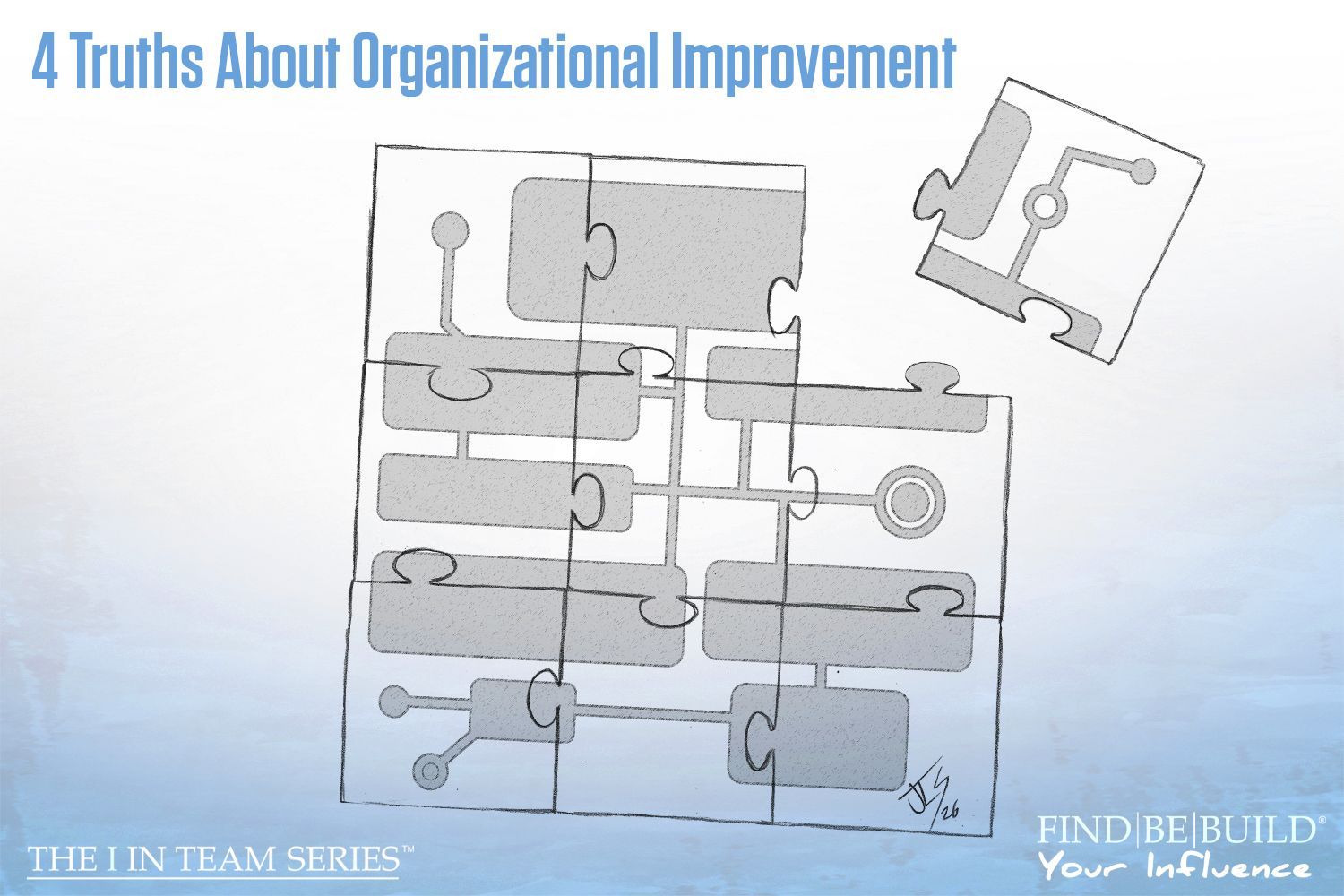
Happy November, team! Crazy to say 2026 is almost over when it feels like it was just summer. I have a friend who is currently working for an organization that is in desperate need of organizational improvement. So, in light of some of the stories she has shared with me, I want to touch on the truth around organizational improvement. If you’ve been with us for a while, you know we don’t like to use the word “change,” we prefer to say improvement. And yet, even with a more positive spin on this word, I am shocked to look around and see organizations shying away from improving themselves! My first thought is always, “Do they hate money?” but then I remember that not everyone is privileged to grow up with a father who is so business minded. People do not know what they do not know. Change can be scary, but there is no reason to avoid improving your organization and the lives of your team. With over 30 years in the game, IA Business Advisors put together the top four truths about organizational improvement. Start today and next November these results can be yours ~ Organizational Improvement Aligns Roles and Responsibilities Does everyone on your team have a job description? Do they understand what their job duties are when they show up? If you answer “no” or “maybe” or “idk” to either of these questions, chances are you need organizational improvement. Clear roles prevent inefficiencies and confusion. When everyone understands their job, things flow smoothly, work gets done the S.M.A.R.T. way , and teams begin to be high performing . Unclear roles dismantle responsibility and accountability, create bottle necks, and cost a lot of money. If people are on the clock doing the wrong thing, redoing their or someone else’s work, or don’t have the proper tools, then money is slipping away. IA Business Advisors assesses everyone’s roles and responsibilities to understand how people, processes, and technology are all connected (much like a web). If the web is strong, it will catch a lot; if the web is weak, things will slip through easily. This can cause several issues that, in the end, just cost money . Organizational Improvement Unites Leadership + Employees Are your organization’s leader “do as I say, not as I do” people? If you answered “yes,” you need organizational improvement. Leaders should not be seen as above or separate from their team. Yes, they lead and guide the organization into the future, but giving into the illusion of separation will almost always create a real canyon in the fabric of the culture. Leaders and employees are meant to work as one to guide the organization forward. Trust must be established and leaders must exude a positive influence . It can be difficult for leaders who wear many hats to slow down and take the time to connect with their team, but that is where IA Business Advisors comes in. IA Business Advisors helps develop unique leadership structures tailored to your team and goals that help provide direction, accountability, and support at all levels. Organizational Improvement Optimizes Talents Do you understand the full skillsets of your individual team members? Do you invest in their continued education? People are always the heart of an organization. Your greatest gifts lie in your team. Maximizing employee potential always leads to stronger performance. Sometimes this means putting the right cheeks in the right seats and shifting some roles and responsibilities to fit everyone’s skillsets, but with an organizational improvement strategy from IA Business Advisors, we factor all of this in. We evaluate existing teams, identify strengths and gaps, and implement strategies that focus on talent development and workforce alignment. Organizational Improvement Offers Scalability + Operational Efficiency Is growing your business year after year important to you? If you want to scale , you need organizational improvement. Yes, some organizations can scale and succeed despite proper alignment, but these are the anomaly not the rule. Optimizing your business structure will always support business growth. Designed by IA Business Advisors, your organizational framework will allow you to properly scale while maintaining efficiency, collaboration, and agility. This is the last step in the secret sauce of organizational improvement. Scaling is not possible without role and responsibility alignment, leadership and team unity, and talent optimization. Bottom Line If you’re serious about building something that truly lasts, you cannot ignore organizational improvement. Starting a business is an immense responsibility, especially when you start hiring employees. People rely on your business for their livelihoods and services. Without putting your head down and ensuring the organization’s web is strong, you’re building something shallow and fragile. Don’t go the way of thousands of businesses; instead, choose IA Business Advisors to be your partner in organizational improvement. With a lil time, patience, and motivation, by this time next November, you’ll be thanking yourself for putting your faith in our team. We would love to help you as we have helped tens of thousands before you.
By Mary Griffin • September 9, 2026
Core values implementation needs to be reinforced through hiring, onboarding, performance management, recognition, communication, and leadership behavior.
By Mary Griffin • August 1, 2026
The reward for self-leadership development is achieving goals and having a positive influence on those around you. Start today by focusing on your development.
By Mary Griffin • July 1, 2026
Keeping employees engaged is difficult. There is a way to achieve balance and boost engagement on your team. Here are our top employee engagement strategies.
By Mary Griffin • April 29, 2026
Intentional leadership is how you build motivation and morale. By removing friction, delivering praise, and more, your team will be re-invigorated.
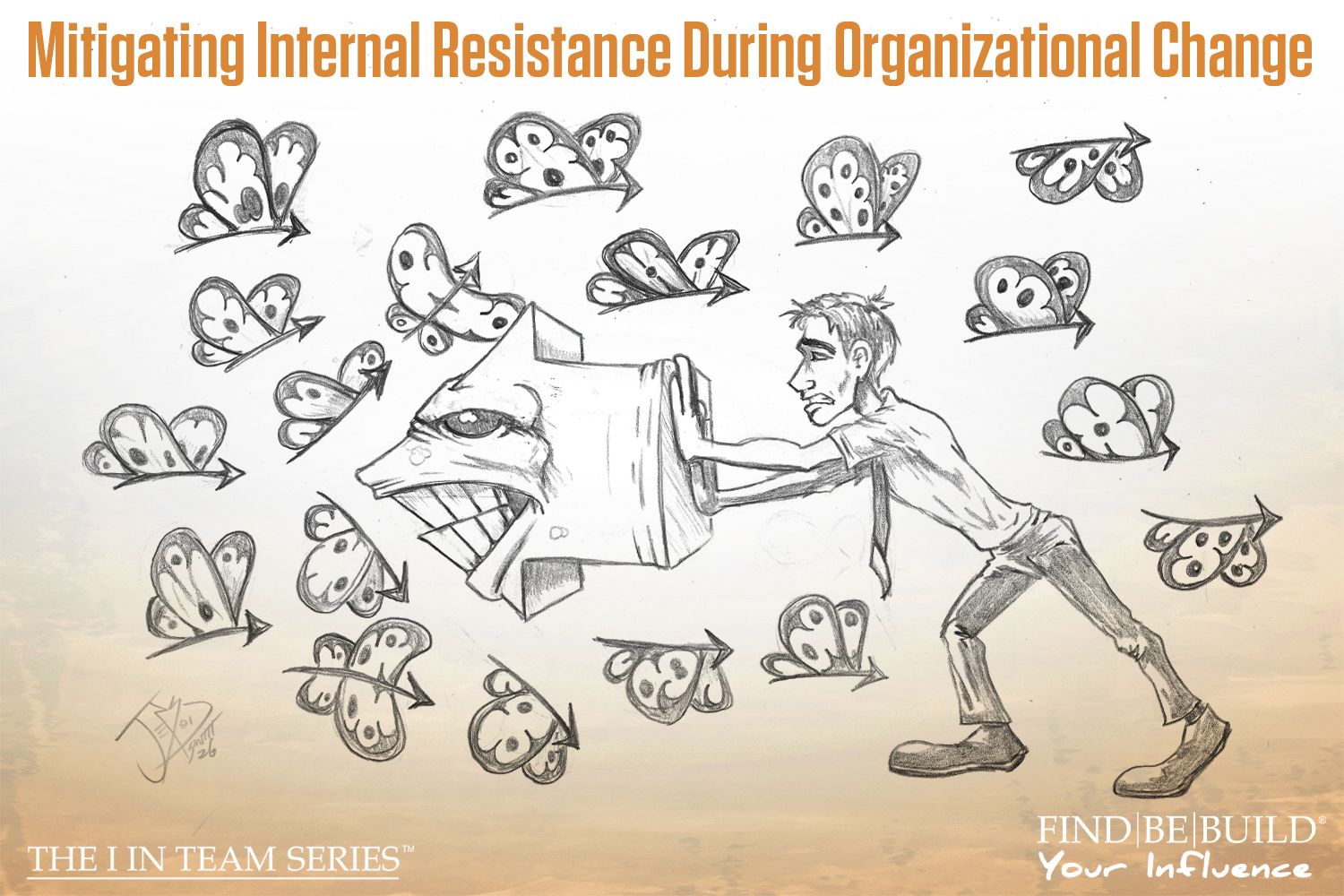
Internal resistance
By Mary Griffin • April 1, 2026
Reducing internal resistance to organizational change requires communication, presence, compassion, accountability, and teamwork. Follow these tips.
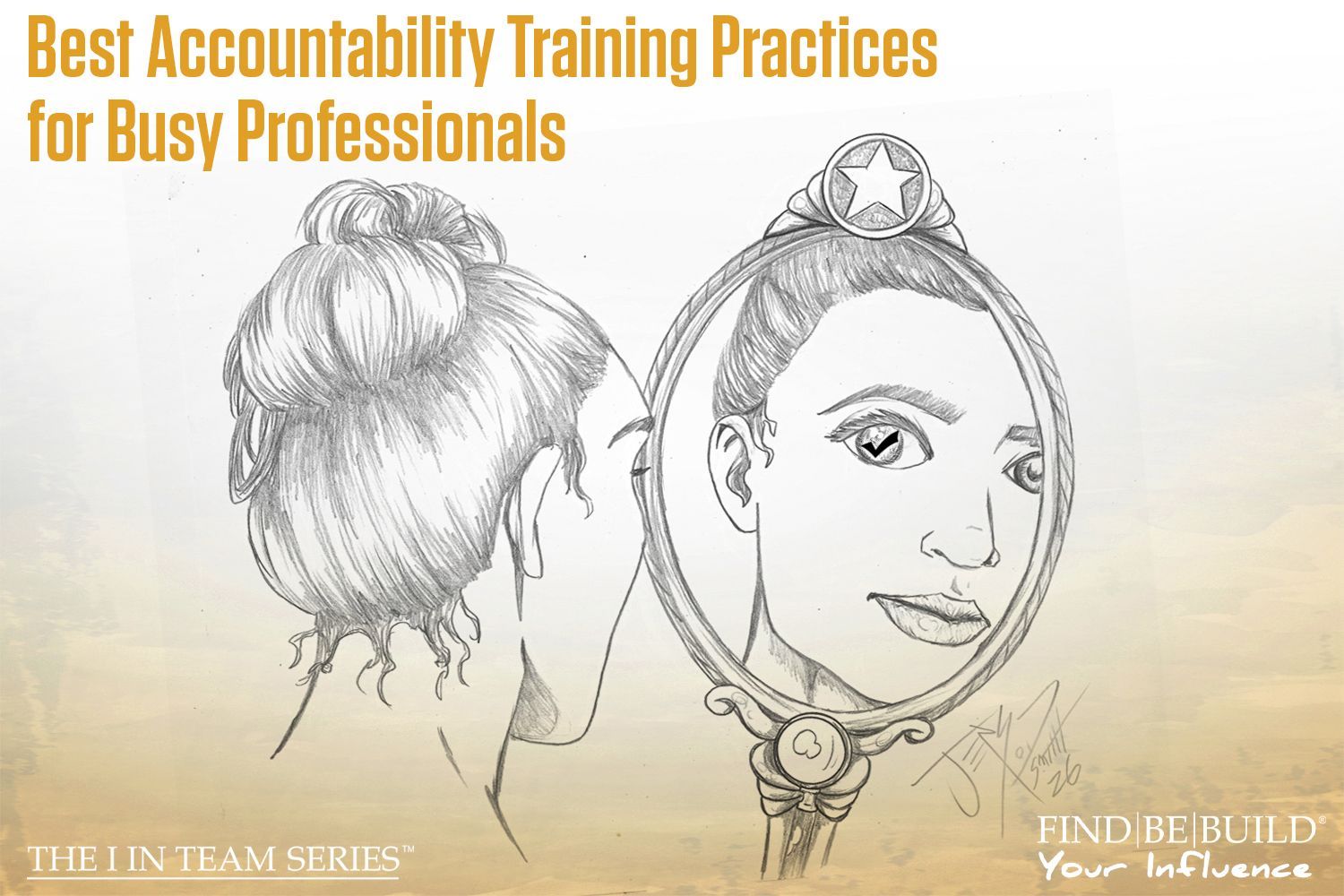
Illustration: A person looking in a mirror. Text: Best Accountability Training Practices for Busy Professionals.
By Mary Griffin • January 22, 2026
Accountability training requires minimal time, creates visibility, and enforces clear rewards and consequences. Start training today to increase productivity.
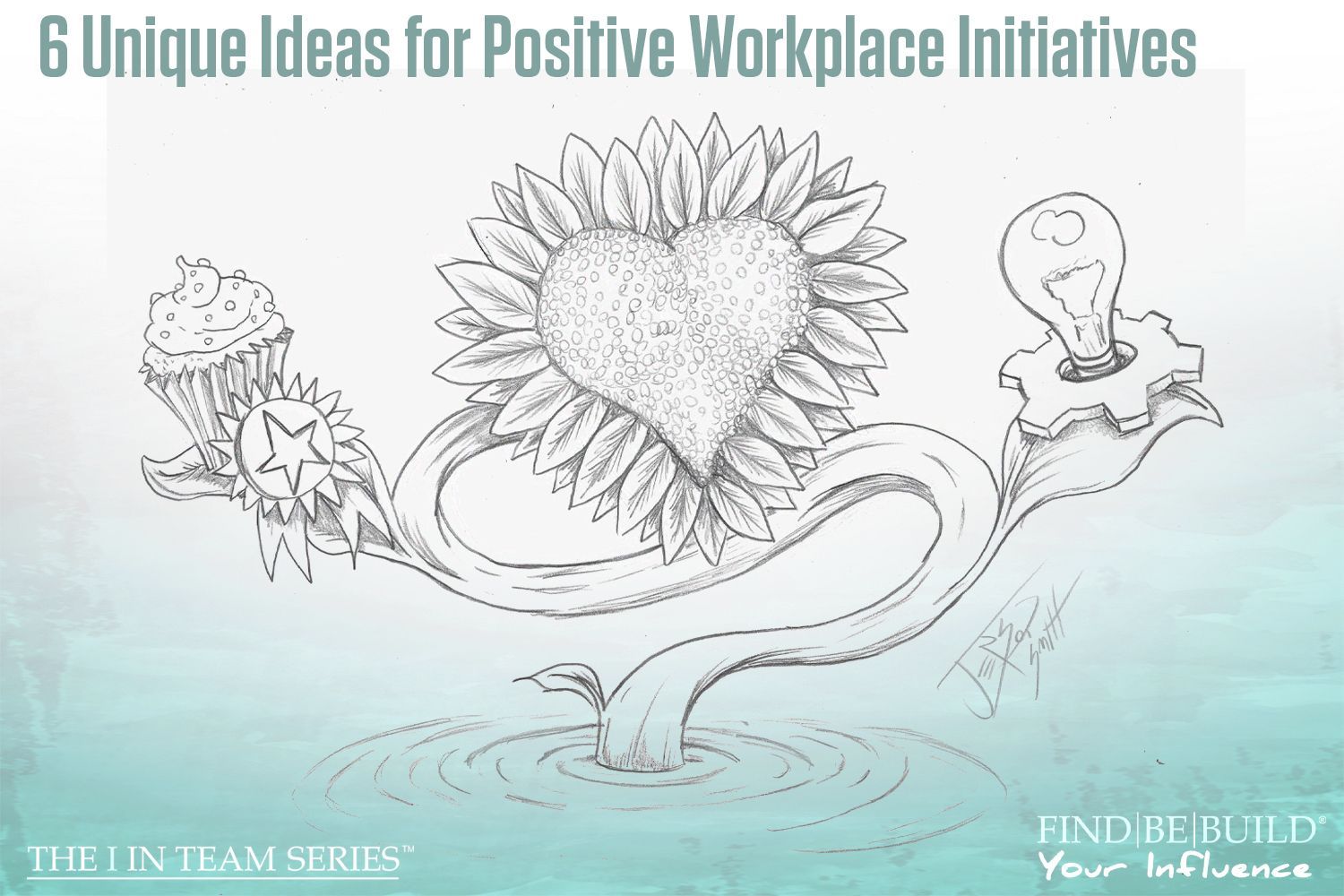
Drawing: sunflower heart with a cupcake, star, and lightbulb on branches.
By Mary Griffin • December 30, 2025
We are all in need of more fun in our lives, so by implementing some positive workplace initiatives, you can make your workplace more enjoyable for everyone.
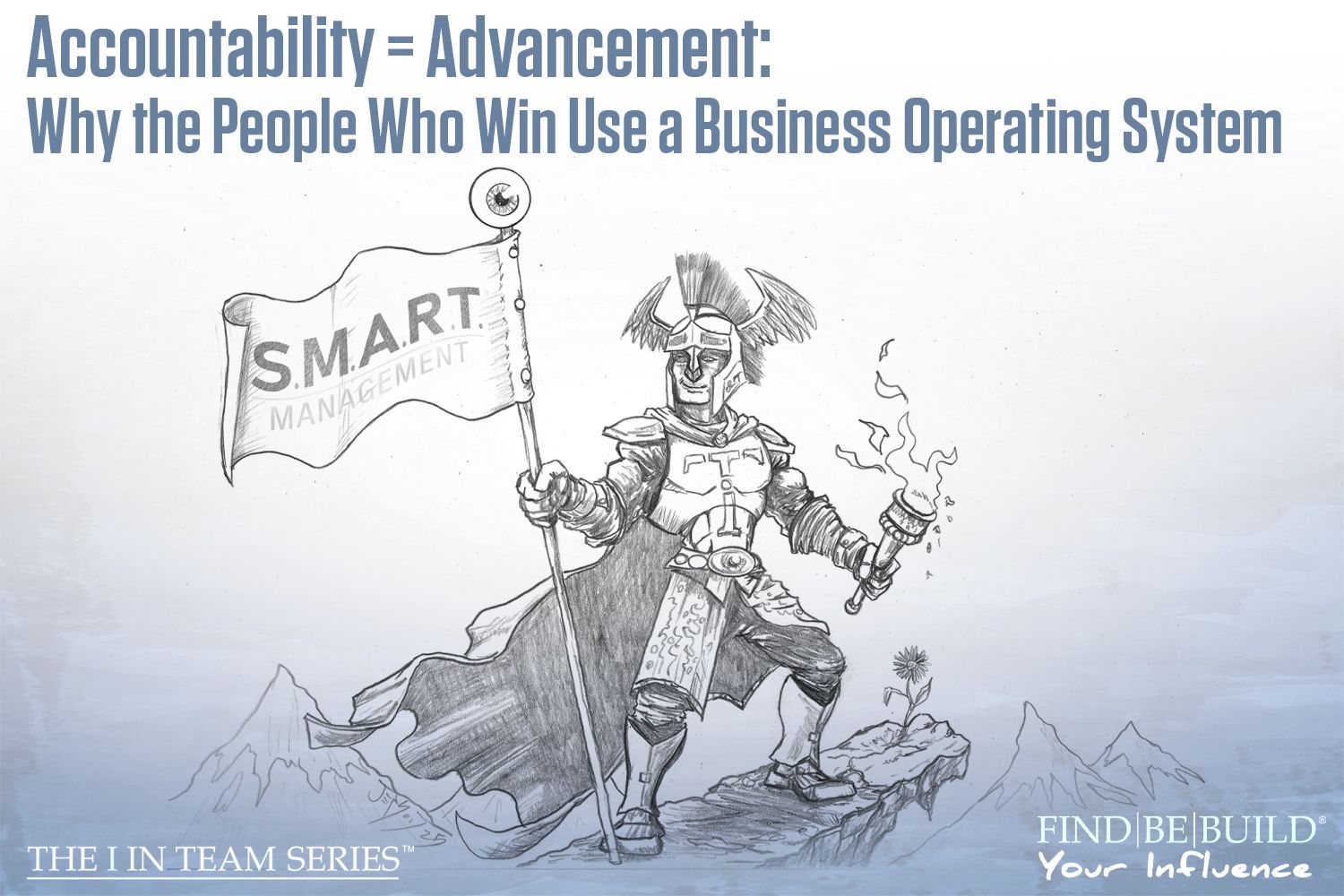
Warrior holding a
By Mary Griffin • December 11, 2025
You don't need to put up with repeat issues. With a business operating system, your company can maximize profits, align your team, and scale comfortably.
Hands connecting puzzle pieces forming a bridge to a mountain peak. Title: Succession Planning.
By Mary Griffin • October 31, 2025
Beginning years in advance of departure, succession planning for leaders will ensure business continuity, preserve culture, and empower employees.